
Understanding Myanmar’s Current Property Market Trends

Myanmar’s property market shows dynamic shifts. Demand fluctuates. Supply adapts. Prices respond. Investors watch closely. Developers adjust strategies. Economic factors influence decisions. Political stability remains a key variable. Infrastructure projects impact growth corridors. Urbanization drives demand in major cities. Rural areas see slower development. Market transparency improves gradually. Foreign investment faces regulatory challenges. Local buyers dominate residential segments. Commercial real estate attracts mixed interest. Rental yields vary by location and property type.
Current Property Trends in Myanmar
Urban centers like Yangon and Mandalay lead growth. High-rise condominiums gain popularity. Mixed-use developments combine residential, retail, and office spaces. Affordable housing projects emerge to meet middle-income demand. Land prices near transport hubs increase steadily. Construction costs rise due to material import dependency. Digital platforms enhance property search and transactions. Mortgage availability expands but remains limited. Government policies encourage sustainable building practices. Environmental concerns influence new projects. Property management services grow in sophistication. Short-term rentals gain traction in tourist hotspots.
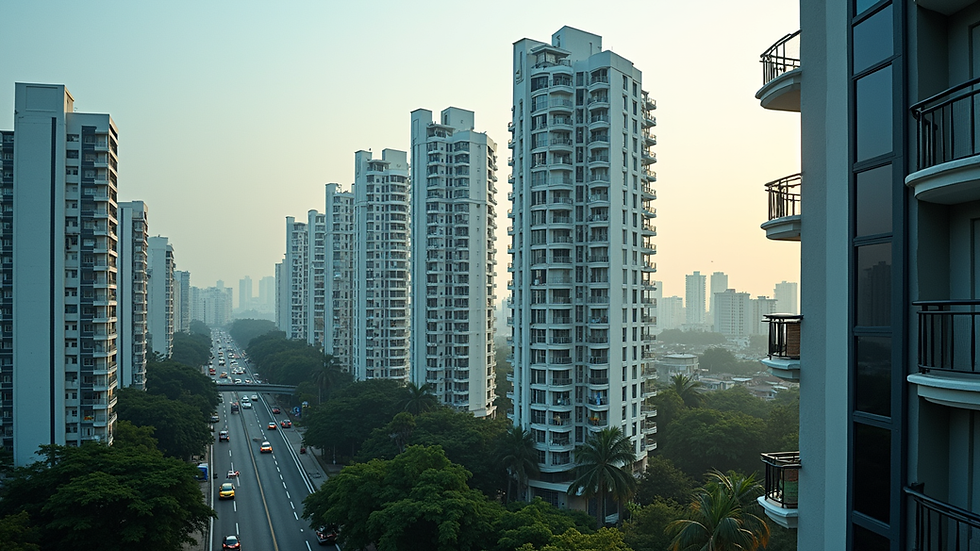
How much does a house cost in Myanmar?
Prices vary widely by location and property type. Yangon commands the highest rates. Typical urban house prices range from MMK 100 million to MMK 500 million. Suburban areas offer more affordable options, around MMK 50 million to MMK 150 million. Luxury villas and gated communities exceed MMK 1 billion. Mandalay and Naypyidaw show moderate pricing, generally 20-30% lower than Yangon. Rural properties remain inexpensive but lack infrastructure. New developments often price above market average due to modern amenities. Buyers should consider additional costs: taxes, registration fees, and agent commissions. Negotiation remains common in private sales.
Investment Opportunities and Risks
Opportunities exist in residential, commercial, and industrial sectors. Growing middle class fuels housing demand. Tourism boosts hospitality real estate. Special economic zones attract manufacturing facilities. Infrastructure upgrades improve connectivity. Risks include political uncertainty and regulatory changes. Currency fluctuations affect foreign investors. Legal framework for property ownership is evolving. Due diligence essential before transactions. Partnering with local experts recommended. Long-term outlook depends on economic reforms and stability. Diversification across property types reduces exposure.

Practical Tips for Buyers and Investors
Research local market conditions thoroughly
Verify property titles and ownership documents
Engage licensed real estate agents and legal advisors
Assess neighborhood amenities and future development plans
Consider financing options and interest rates
Factor in maintenance and management costs
Monitor government policies affecting real estate
Evaluate rental yield versus capital appreciation potential
Visit properties in person before committing
Plan for long-term holding periods to maximize returns
Future Outlook for Myanmar’s Property Market
Steady urbanization expected to continue. Infrastructure projects like new highways and railways will open new areas. Digital transformation will streamline transactions. Environmental sustainability will gain importance. Government reforms may improve foreign investment climate. Market transparency likely to increase. Demand for affordable and mid-range housing will grow. Commercial real estate may diversify with emerging industries. Rental market expected to expand with workforce mobility. Overall, cautious optimism prevails among market participants.
For detailed insights, explore myanmar property market trends.


Comments